✓ Free shipping in NL from 25,-
✓ Shipment within 1 working day
✓ Worldwide shipping


PFAS (per- and polyfluoroalkyl substances) are a large group of man-made chemicals. They repel water, grease and dirt, which is why they’re used in many products. Because they barely break down in the environment or the body, they’re often called “forever chemicals”.
PFAS can be found in:
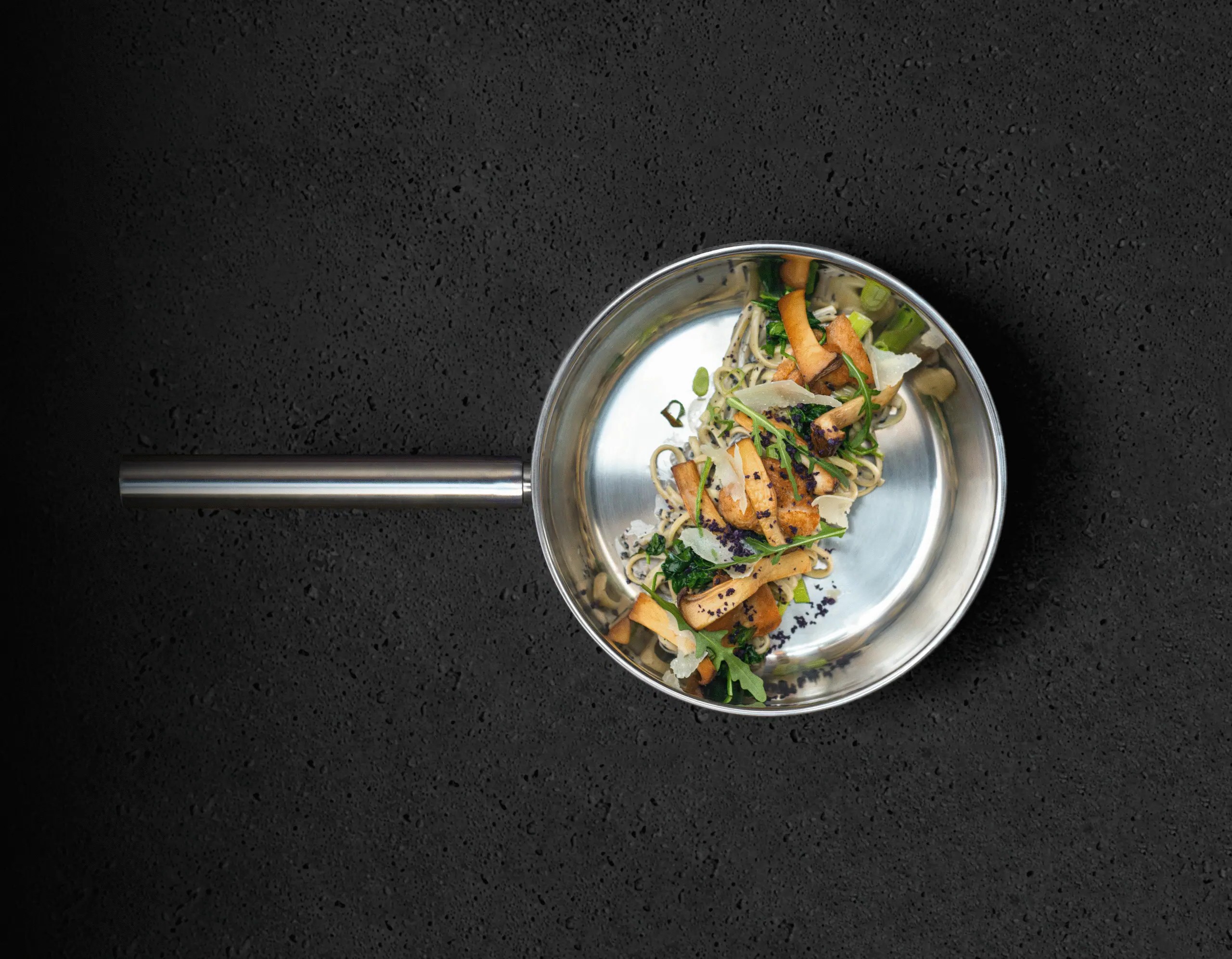
Classic non-stick coatings are made from PTFE, a substance that falls under PFAS. PTFE stops food from sticking and makes the pan easy to clean.
If the coating overheats, for example when an empty pan is left on high heat, fumes can be released. PFAS can also end up in the environment during the production of PTFE coatings.
That’s why more and more brands are switching to alternatives such as ceramic coatings, which offer non-stick performance without PFAS.
Most PFAS enter our bodies through food and drinking water. With long-term exposure, they can build up in the body. According to research by EFSA and the IARC (part of the WHO), PFAS have been linked to:
So your pan isn’t the only source of PFAS. But if you want to avoid them in the kitchen as much as possible, a pan without a PFAS coating is a logical choice.
Sources: EFSA (2020), IARC (2023), RIVM.
When choosing a pan, check the label carefully. Not every label means the same thing, and some terms sound reassuring but say very little. These are the three labels you’ll come across most often, and what they really mean.
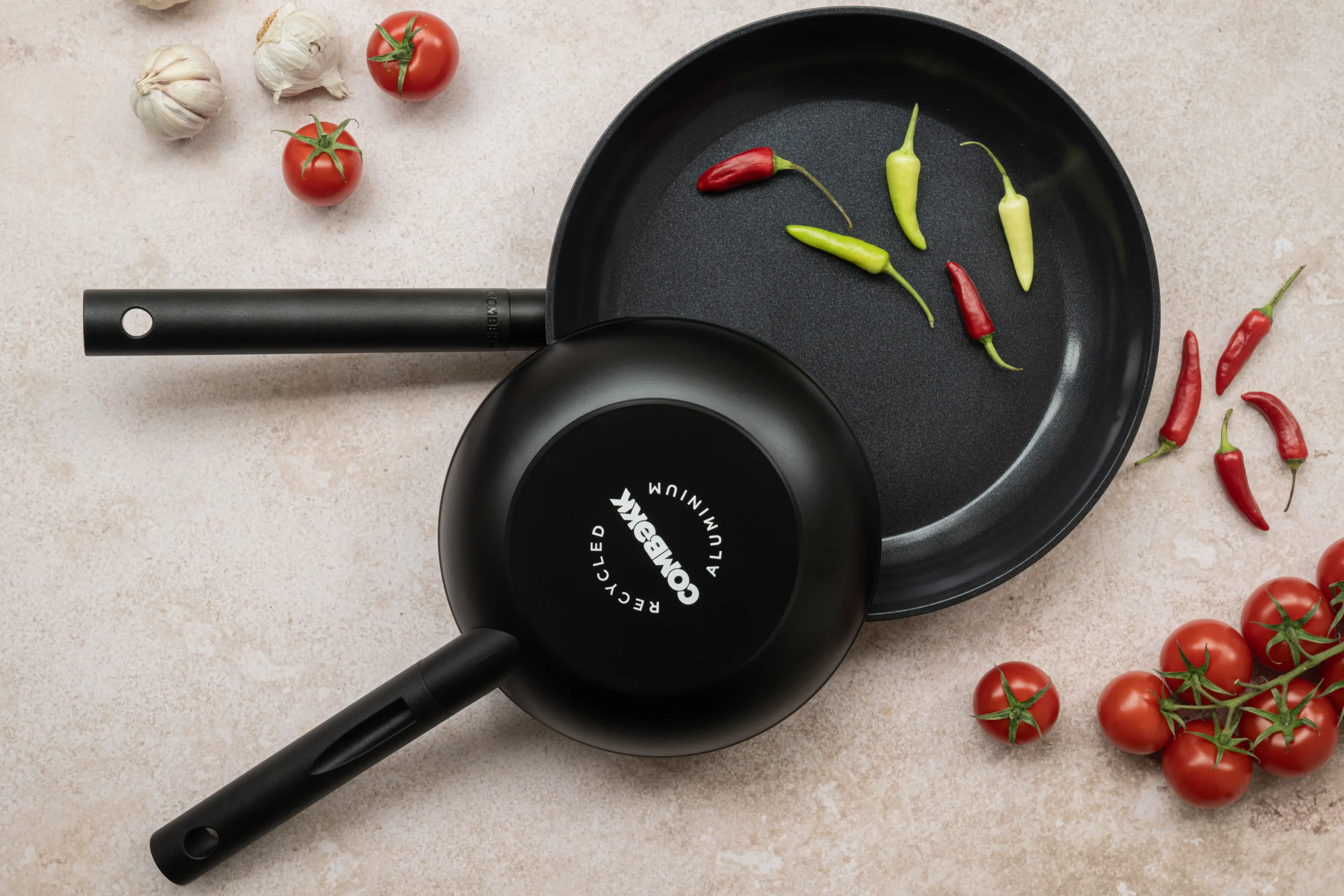
There are several types of pans without PFAS:
Aluminium pans are only PFAS-free if their coating is too. Always check the label.
PTFE is one of many substances that fall under PFAS. So a pan with a PTFE coating is not PFAS-free.
A genuine ceramic non-stick coating contains no PFAS. Still, check that the packaging says “PFAS-free”.
A pan with an intact coating can still be used, as long as you don’t overheat it. If the coating is damaged or peeling, replace it.
No, our cutting boards don’t contain PFAS. PFAS are mainly used in non-stick and water-repellent coatings, and a cutting board doesn’t need one. Our cutting boards are made from FSC-certified wood fibre composite or recycled paper, without a PFAS coating.
HEALTHY AND SAFE COOKING

WHY COMBEKK
At Combekk, we believe great cooking starts with great cookware. That’s why, since 2015, we’ve been designing pans and kitchen accessories using recycled materials wherever we can. From recycled cast iron made from old railway tracks to recycled aluminium and stainless steel. The result: cookware with a story, timeless design and quality you’ll enjoy every day.
DESIGNED TO BE LOVED
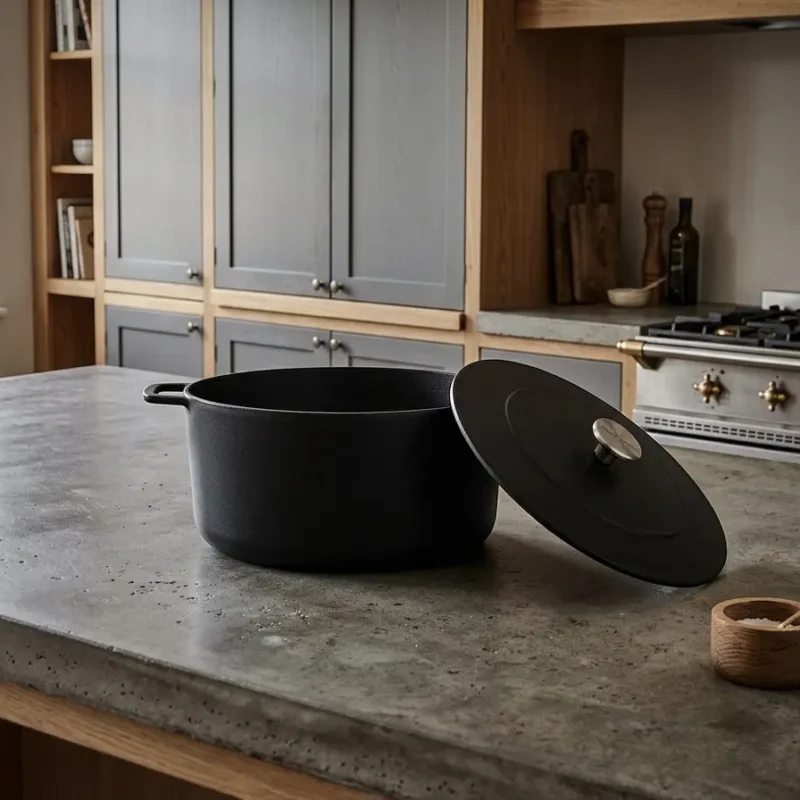
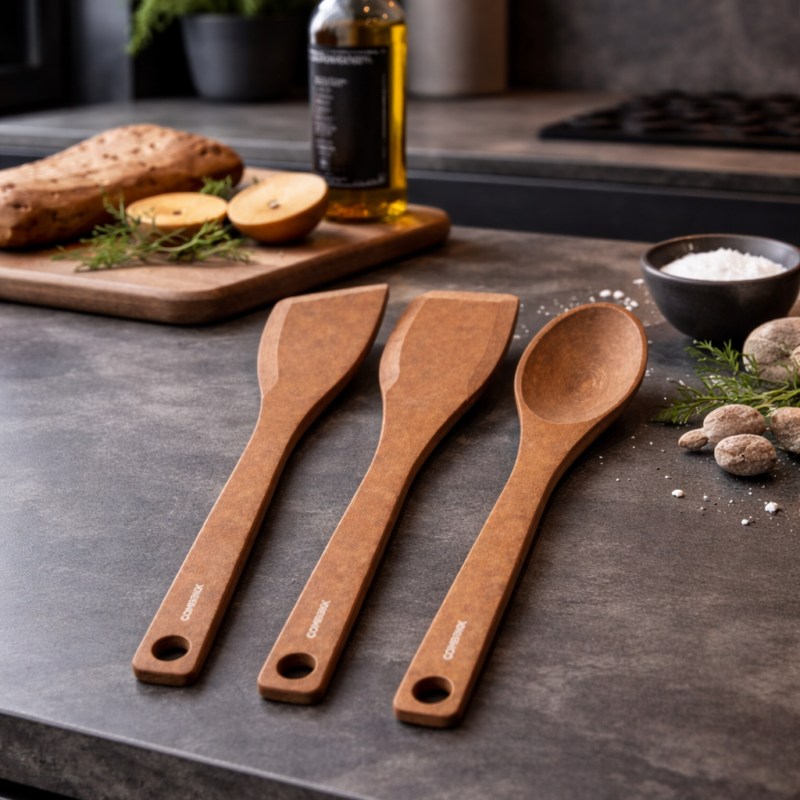
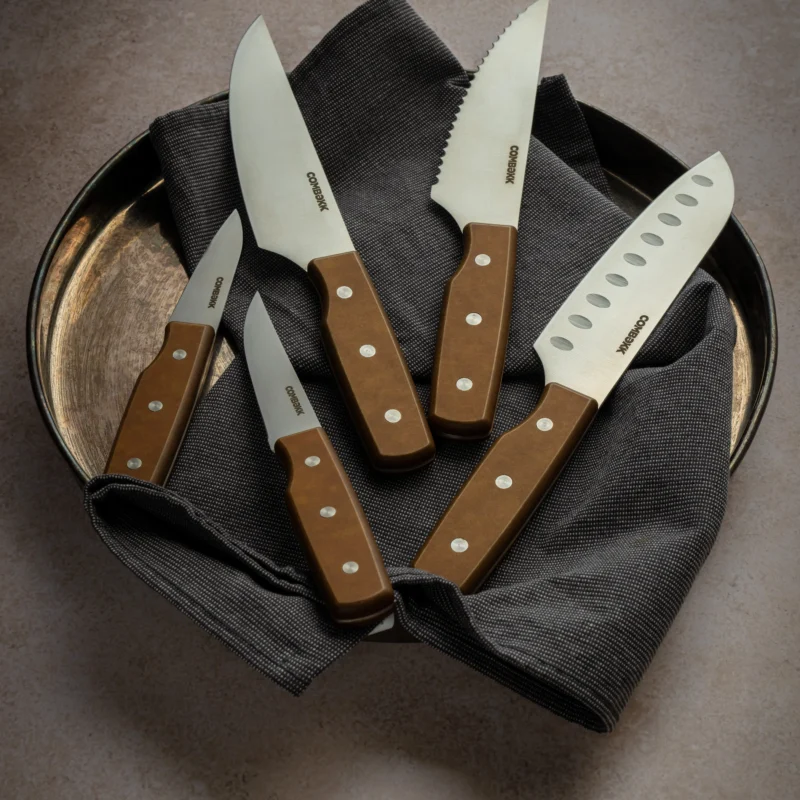
Combekk makes high-quality cookware without PFAS, using recycled materials wherever we can. From cutting boards to Dutch ovens, every product is designed with care for materials and craftsmanship.
Explore our collection: