✓ Free shipping in NL from 25,-
✓ Shipment within 1 working day
✓ Worldwide shipping


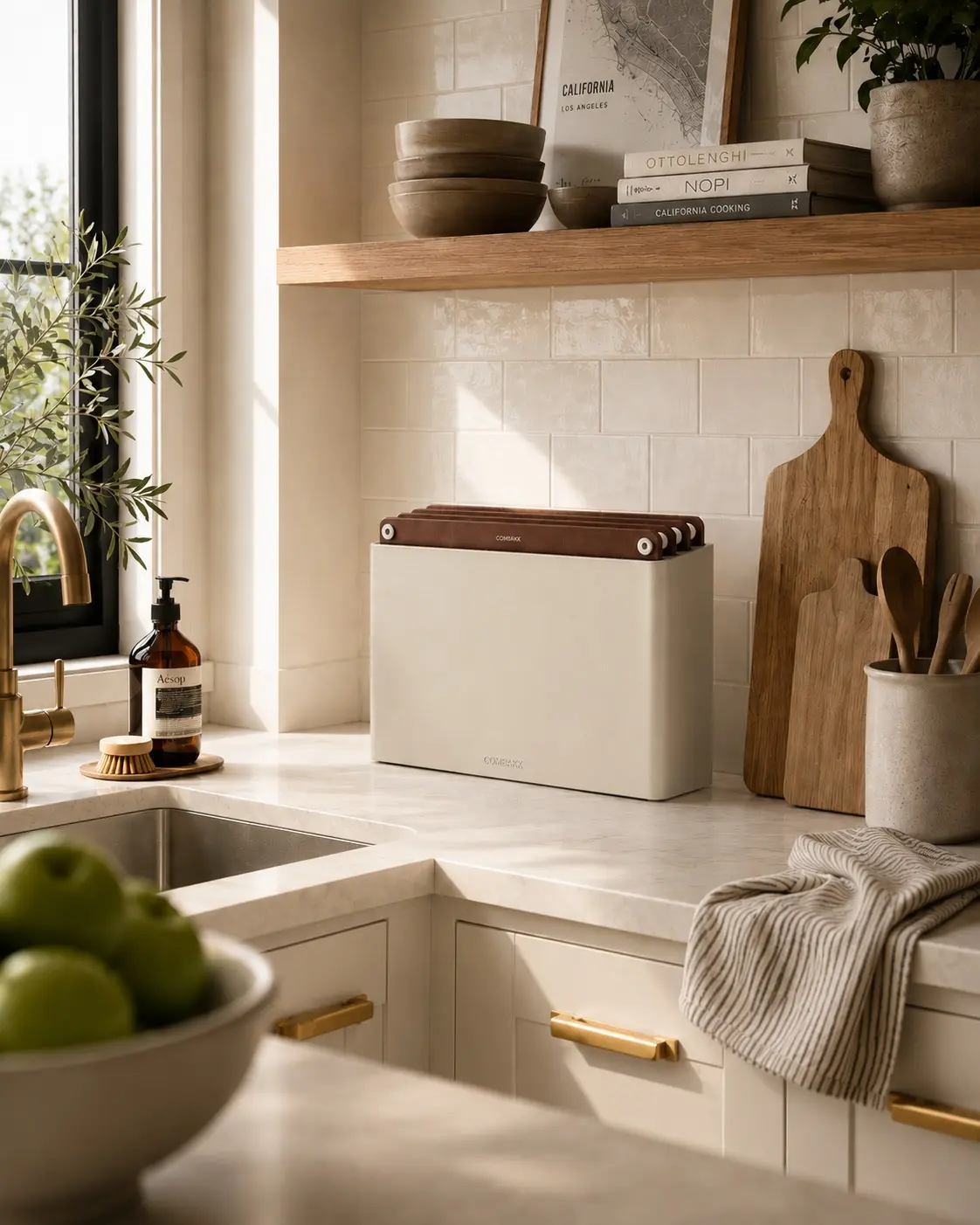
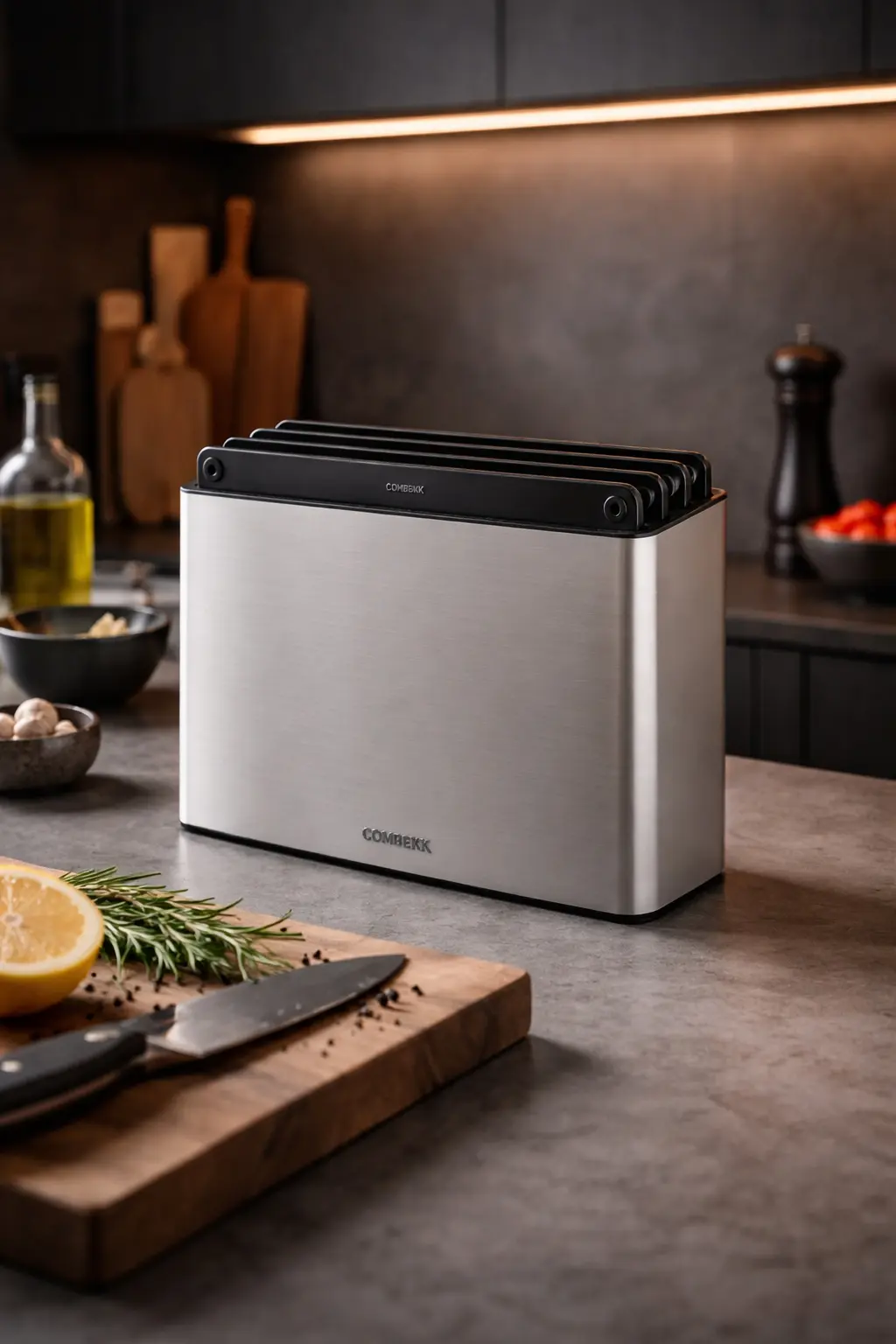
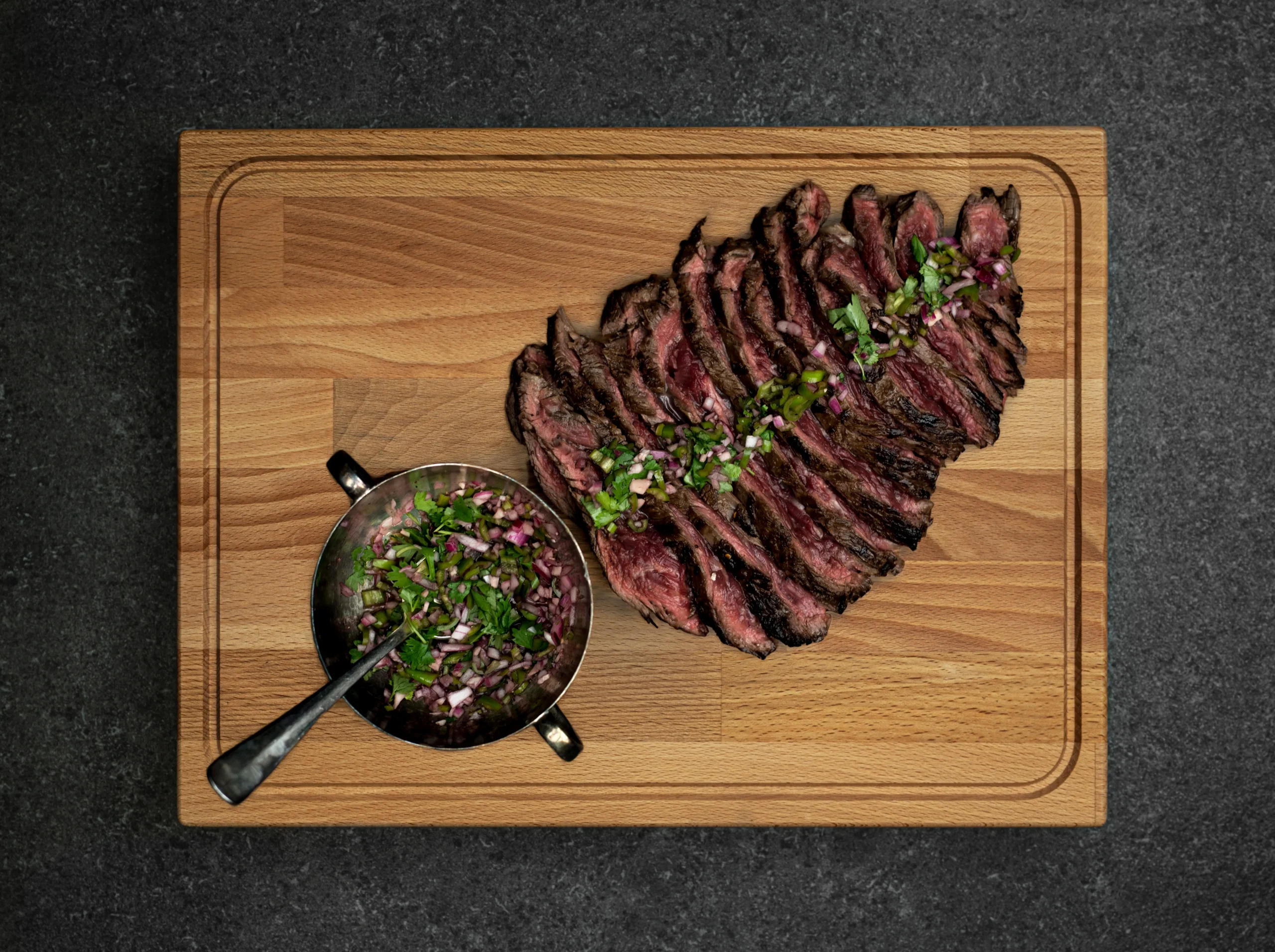
Combekk’s FSC-certified pressed wood boards are made from responsibly sourced wood, pressed for extra density – they’re gentle on knife edges, naturally resistant to bacteria when cared for properly, and develop a warm patina with use. Our recycled paper composite boards are made from recycled paper fibre pressed into a dense, non-porous board: lighter, highly stain-resistant, and dishwasher-friendlier than wood. Neither is objectively “better” – wood suits cooks who want a board that ages beautifully, while paper composite suits anyone who wants low-maintenance durability.
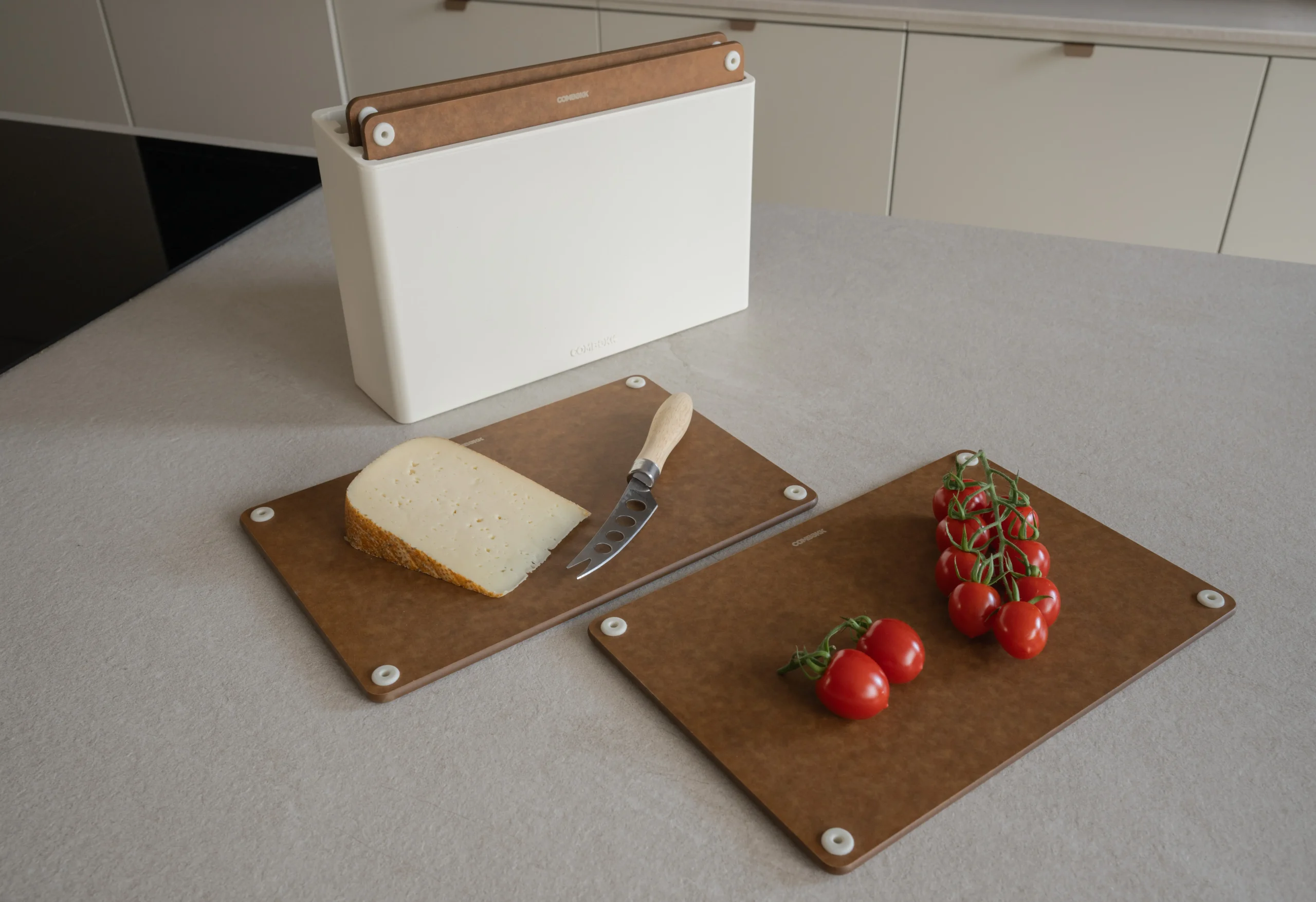
A single small board (around 14×30 cm, like our pressed wood board) is fine for quick jobs – slicing an onion, cutting a lemon, prepping a sandwich. But if you’re chopping vegetables for a full meal, a small board forces you to work in awkward small batches and increases the chance of food sliding off the edge. For everyday cooking, a mid-size board of 20×30 cm or larger gives enough room to keep ingredients organised while you work. For carving a roast, turkey or large piece of meat, size up further to an XL board (53×32.5 cm) with a juice groove, so there’s room for both the meat and your knife strokes without liquid running off the edge.
Beyond size, having more than one board solves a practical kitchen problem: cross-contamination and workflow. A set of boards lets you dedicate one to raw meat or fish, one to vegetables, and a smaller one for quick jobs like cutting bread or citrus – without needing to wash and dry a single board mid-recipe. It also means everyone in the kitchen can work at once during a bigger cooking session.
A groove cut around the edge of a board catches liquid before it reaches your counter – genuinely useful when carving meat, slicing a juicy fruit, or resting a marinated cut before serving. For everyday vegetable prep it matters less, so if you mainly chop vegetables and herbs, a flat board without a groove is easier to sweep clean with a knife at the end.
Combekk tip
Keep at least two boards in rotation: a smaller everyday board like the pressed wood board for daily prep, and a larger XL board kept for roasts, big batches and entertaining.
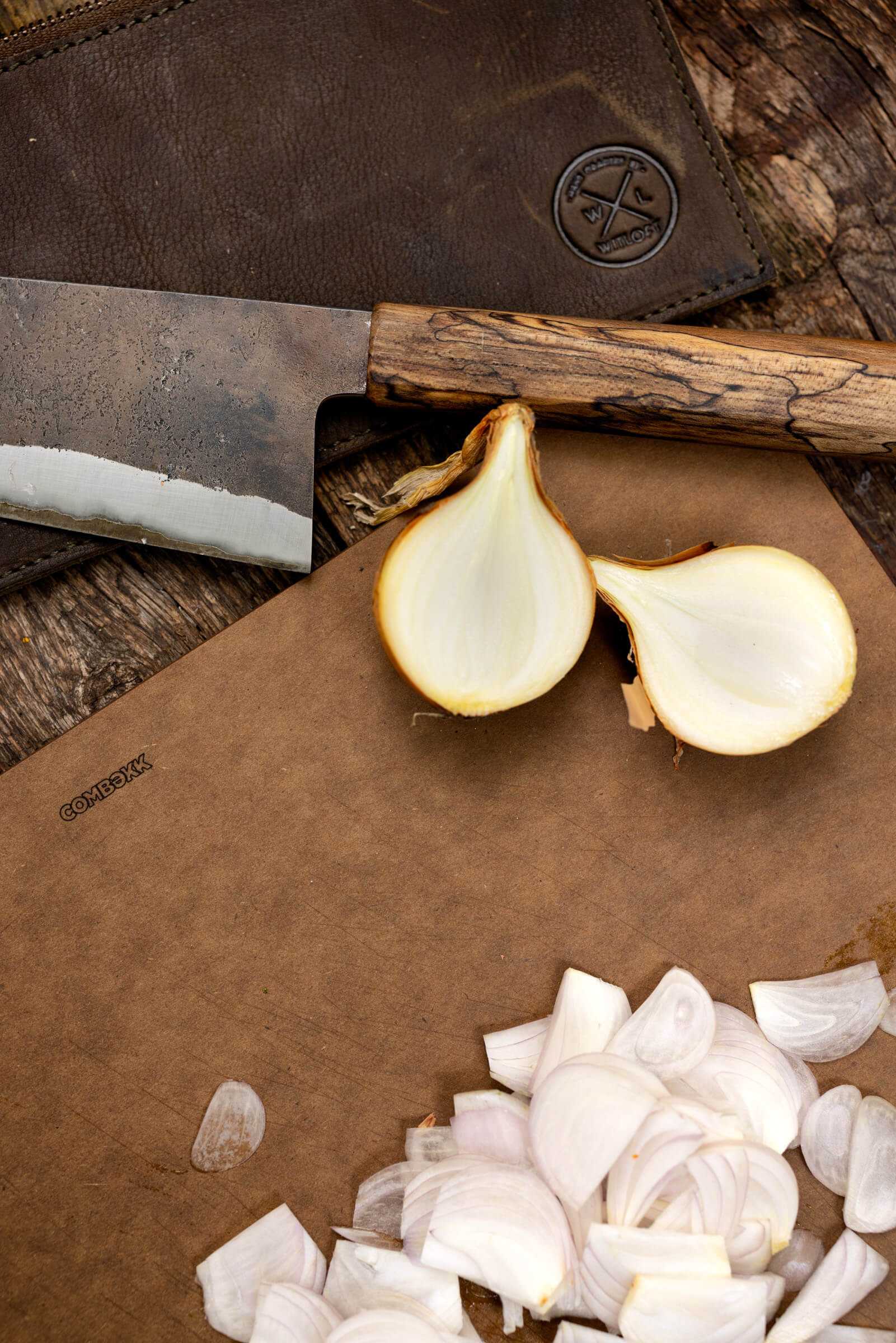
Both board materials are chosen with sustainability in mind, not just performance. The wood used in Combekk’s boards is FSC-certified, meaning it’s sourced from forests managed to responsible environmental and social standards rather than unregulated logging. The recycled paper composite boards go a step further by reusing paper fibre that would otherwise be waste, pressing it into a dense board that performs like a much heavier material. Choosing either option means the board in your kitchen has a lower footprint than many conventional plastic or unmanaged-timber alternatives, without any compromise on how it performs at the counter.
This matters more the longer a board is used – a board that lasts a decade because it was well made from responsibly sourced material beats replacing a cheaper board every year or two, both for your kitchen budget and for the amount of material eventually thrown away.
Wood boards should be hand-washed and dried standing up rather than left flat or soaked, to prevent warping; an occasional wipe with food-safe mineral oil keeps the surface from drying out and cracking. Recycled paper composite boards are more forgiving – most can go in the dishwasher, and they resist staining and warping better over time. Whichever material you choose, avoid cutting directly on the board with excessive force on bones, and replace a board once deep grooves make it hard to clean properly.
Both are safe when cared for properly. Wood has natural antibacterial properties but needs to dry fully between uses; recycled paper composite is non-porous and slightly easier to keep clean day to day.
It’s best avoided – heat and prolonged soaking can warp or crack wood over time. Hand-wash and dry it standing up instead.
If you only buy one, choose a mid-size board (20×30 cm or larger) – big enough for real meal prep, still easy to store and wash.
Only if you regularly carve meat or slice juicy produce. For general vegetable prep, a flat board is just as practical.
Browse the full Combekk cutting board collection to compare sizes, materials and sets.