✓ Free shipping in NL from 25,-
✓ Shipment within 1 working day
✓ Worldwide shipping


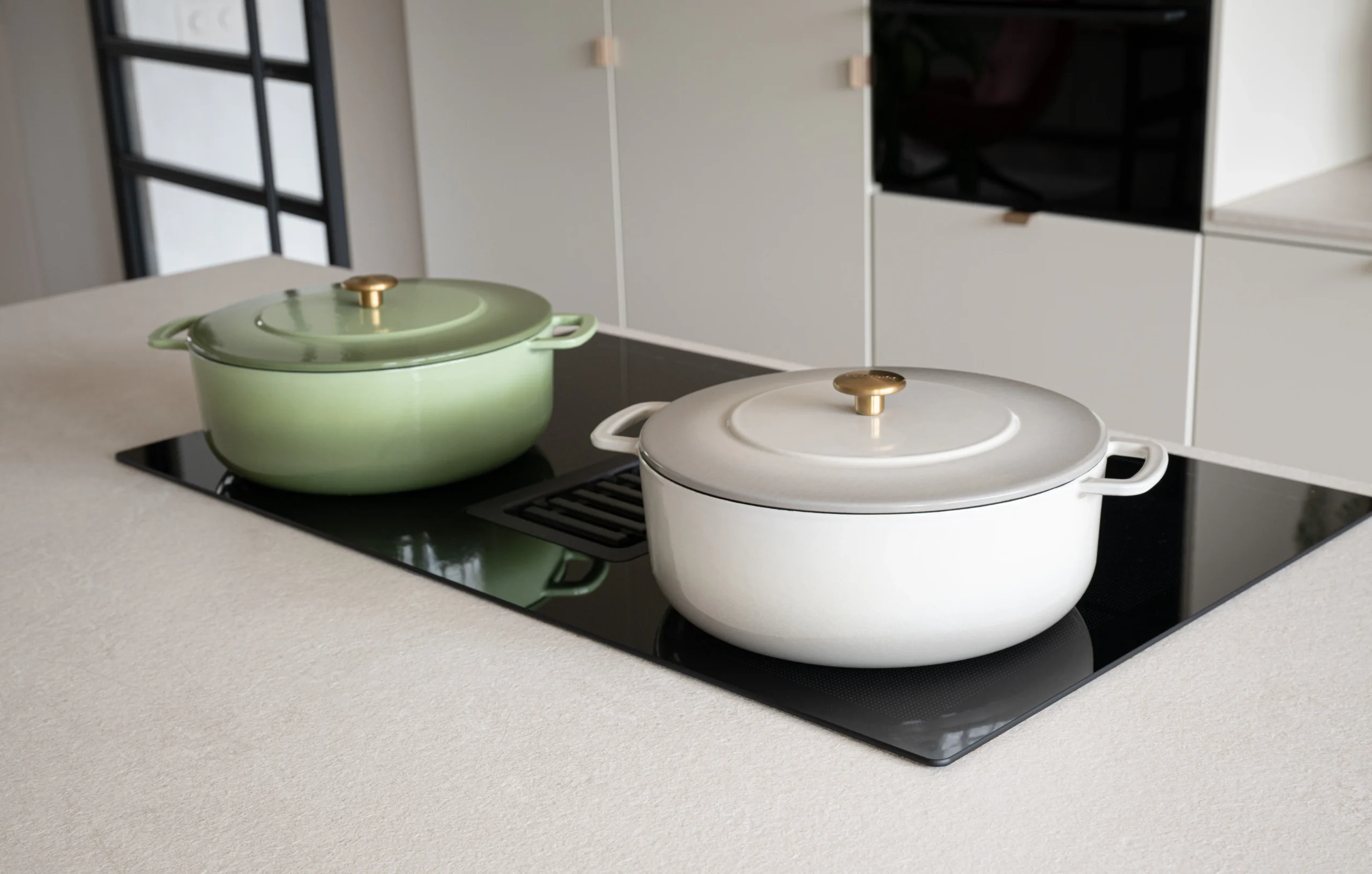
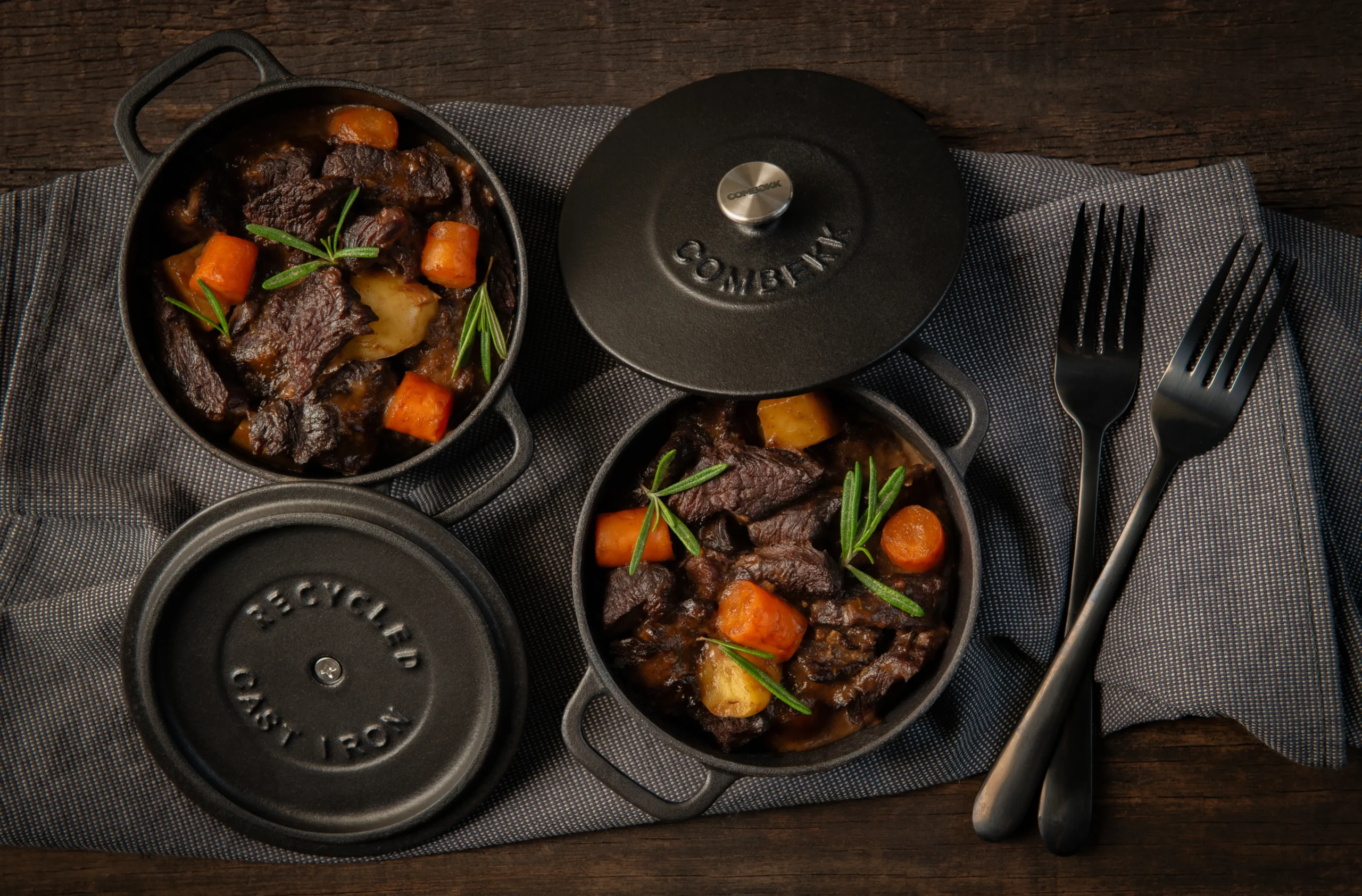
As a rule of thumb, plan for roughly one person per 2-3 cm of diameter when you’re making stews, soups or braises that need room to simmer. That means:
Diameter isn’t the only thing to consider – the shape of the pot changes how it cooks. A tall, narrow Dutch oven holds in moisture and is excellent for long, slow braises, soups and stocks, since less surface area is exposed to the air and evaporation is slower. A wider, shallower shape sears meat more evenly and lets liquid reduce faster.
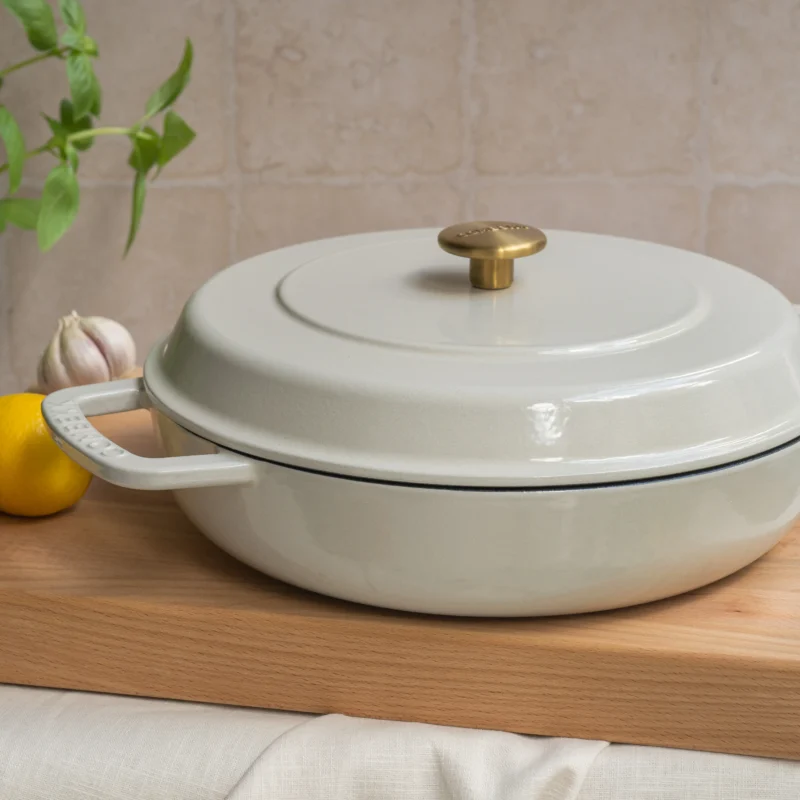
That’s exactly why Combekk also makes the Braiser Ø 28 cm: a lower, wider relative of the Dutch oven, purpose-built for searing chicken thighs or short ribs before they braise, or for one-pan dishes like coq au vin and paella-style rice. If you’re regularly browning meat before slow-cooking it, the Braiser range is worth exploring alongside your Dutch oven.
| Size | Best for | Shop |
|---|---|---|
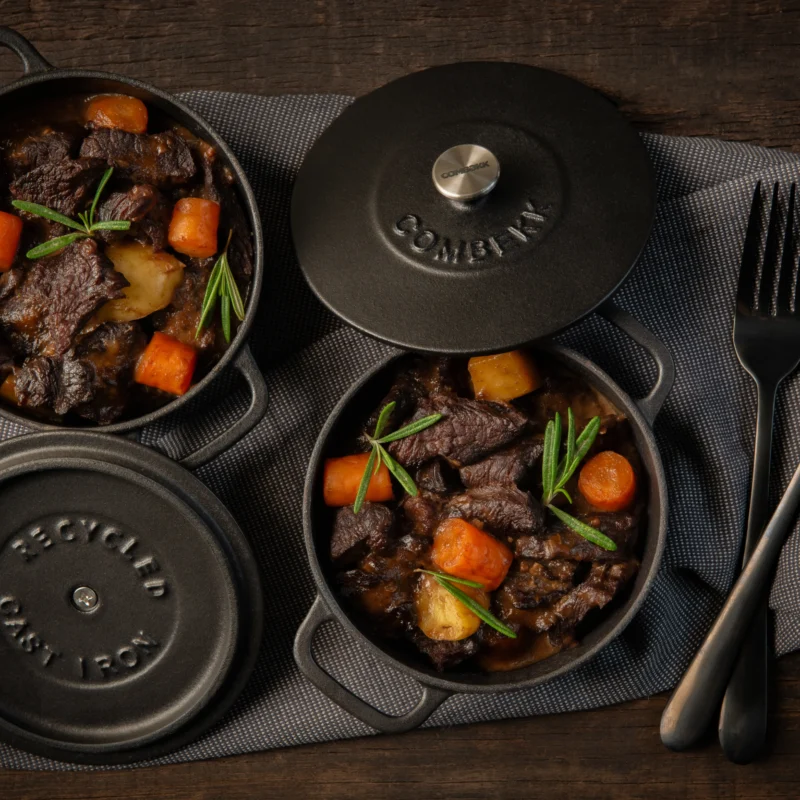
| Mini (12 cm) | Single servings, sides, table presentation | Shop Mini |
| Regular (18 cm) | 1-2 people, everyday cooking | Shop 18 cm |
| Regular (24 cm) | 3-4 people, the all-rounder | Shop 24 cm |
| Regular (28 cm) | 4-6 people, roasts & large stews | Shop 28 cm |
| Big (32 cm) | 6+ people, entertaining & batch cooking | Shop Big |
| Braiser (28 cm) | Searing, braising, shallow one-pot dishes | Shop Braiser |
Combekk tip
Not sure where to start? The Ø 24 cm is the safest first buy – it is the size we sell the most of, for households of almost any size.
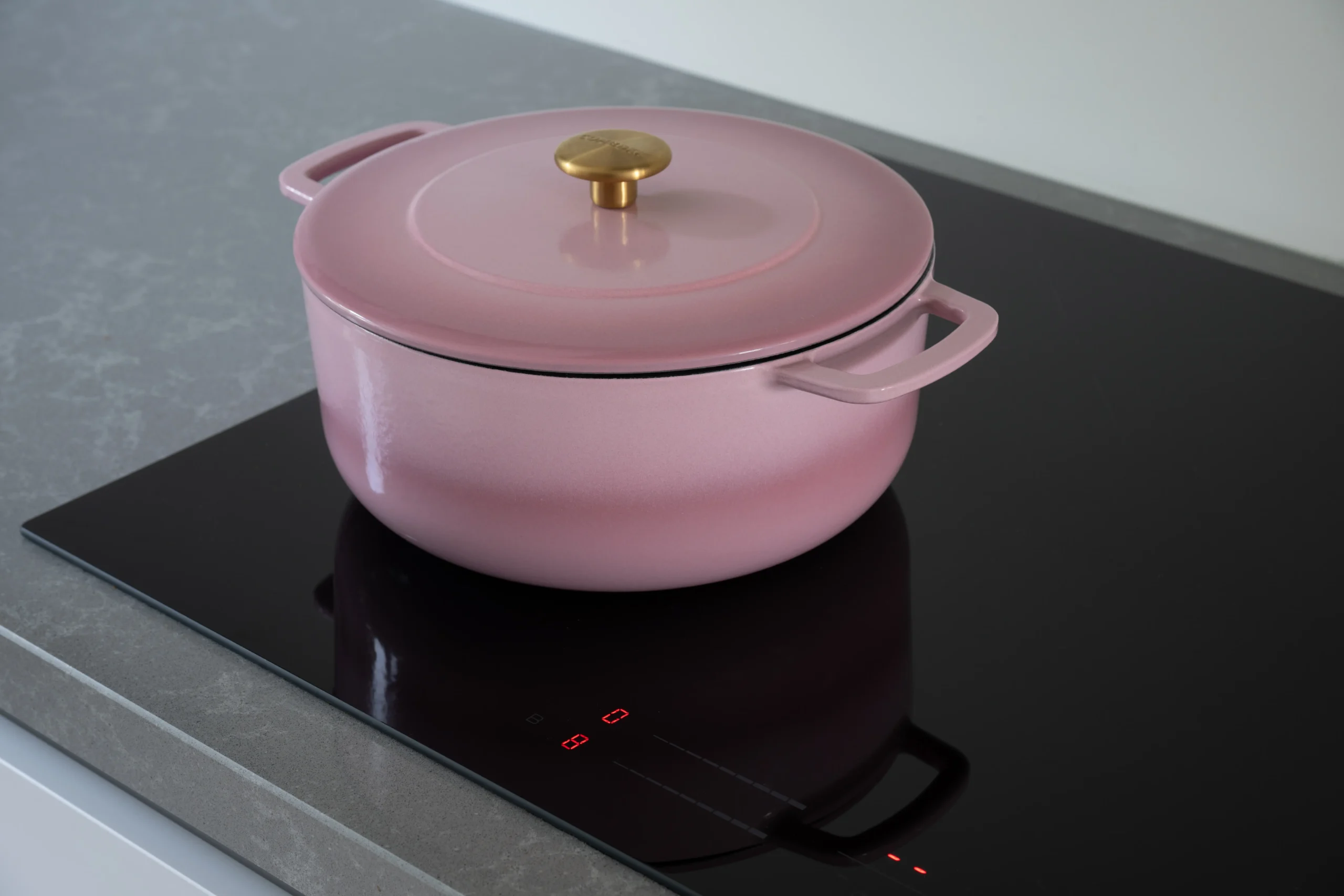
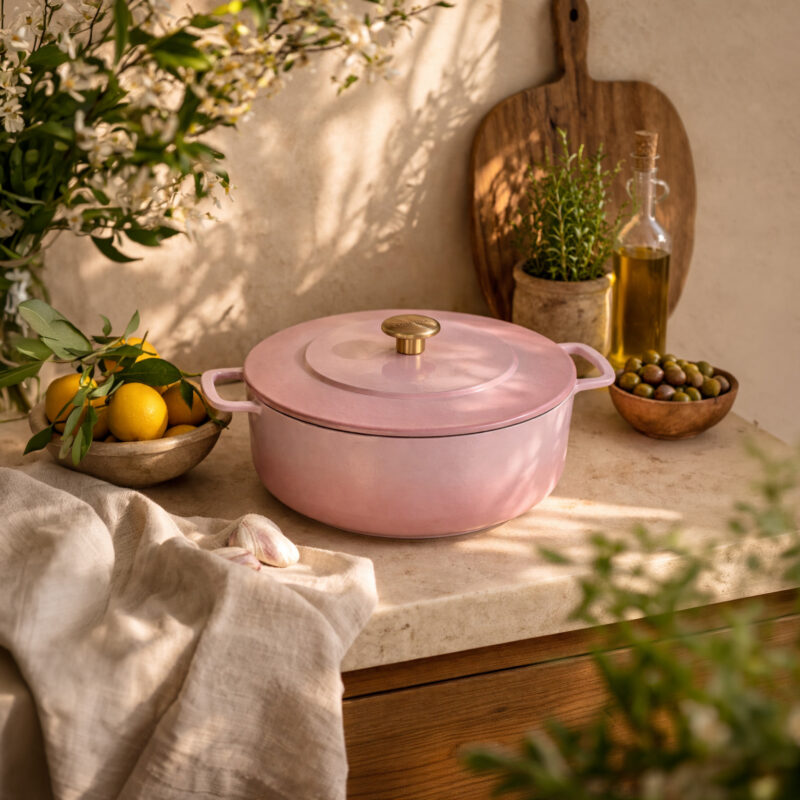
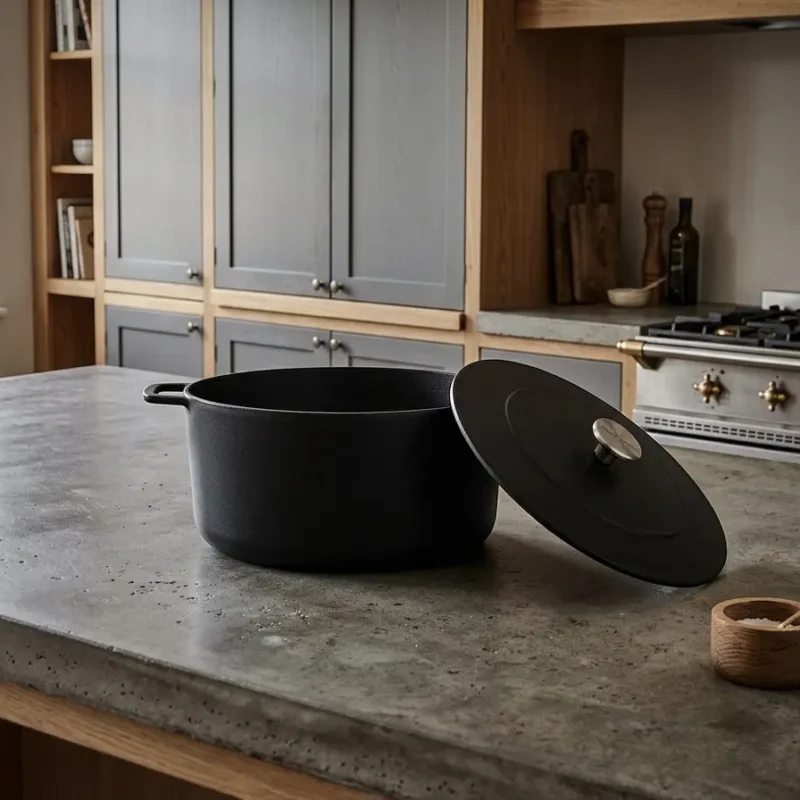
Every Combekk Dutch oven is finished with a durable enamel coating over cast iron, available in a range of colours – from classic Black and warm Sand to Olive, Cherry and Ocean Blue. The enamel is purely cosmetic and doesn’t affect how the pot performs, so choose the colour that fits your kitchen rather than worrying about function.
The most frequent mistake is buying based on the size of the box in the shop rather than the size of a typical meal. A 28 cm Dutch oven looks impressive on a shelf, but if you usually cook for two, it will feel oversized and heavy for daily use, and food will spread thin across a wide base rather than staying submerged in liquid. The opposite mistake is just as common: buying a small 18-20 cm pot and then discovering it can’t hold a whole chicken or a big batch of soup for the freezer.
A second common mistake is assuming one size can do everything. A single 24 cm Dutch oven is a fantastic all-rounder, but if you regularly cook both quick weekday meals for two and big weekend batches for six, you’ll get far more use out of your kitchen by owning two complementary sizes rather than compromising on one.
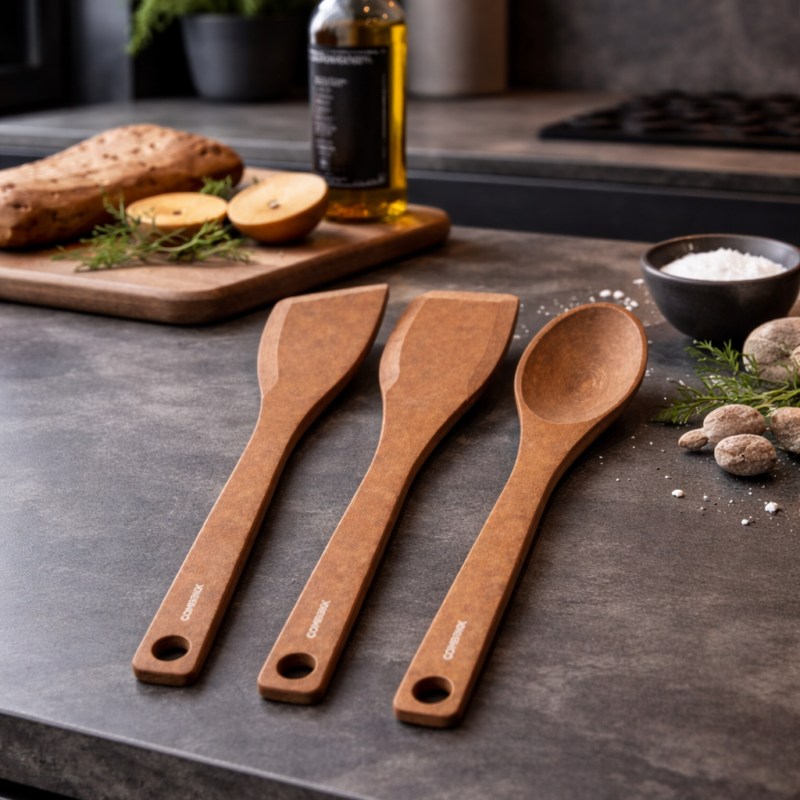
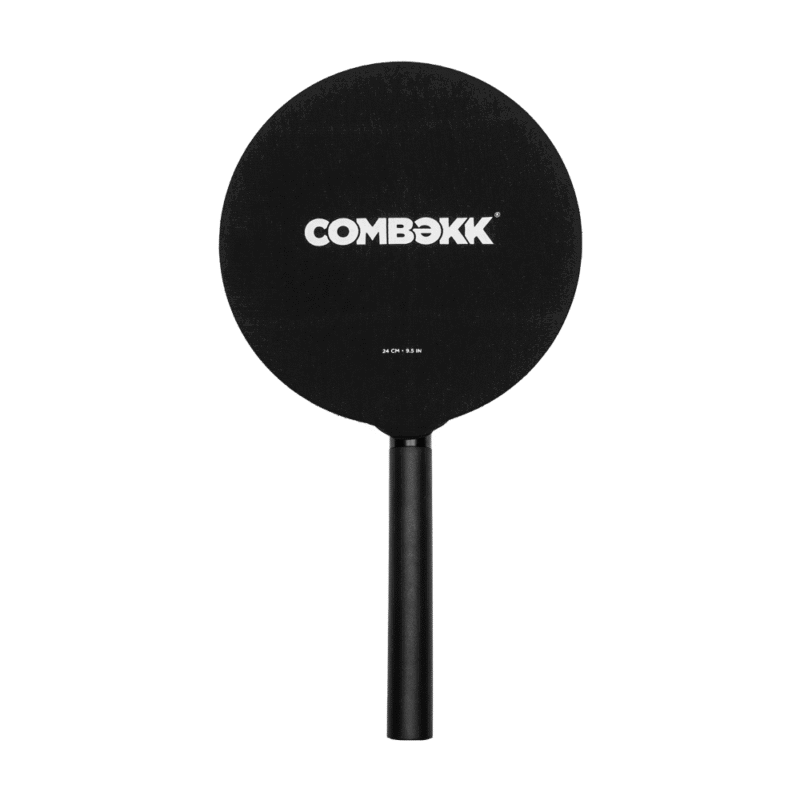
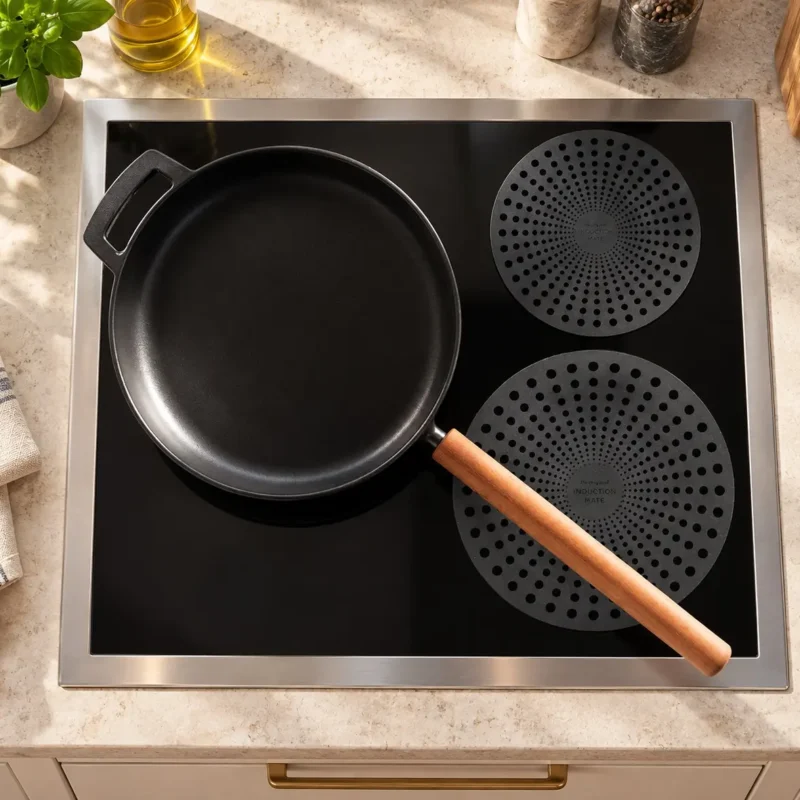
Enamelled cast iron is lower-maintenance than bare cast iron – there’s no seasoning to build up, and the enamel resists sticking reasonably well on its own. That said, avoid extreme temperature shocks (don’t plunge a hot pot into cold water), use wooden or silicone utensils to protect the enamel, and let the pot cool before washing. If you cook on an induction hob, a Combekk induction mat from our induction accessories range helps protect the glass surface from the weight and texture of cast iron.
Absolutely – most serious home cooks eventually own two: a 24 cm for everyday meals and either an 18 cm for smaller portions or a 28-32 cm for bigger gatherings.
If you can only buy one, the Ø 24 cm is the safest, most versatile choice for the vast majority of households.
No – a Dutch oven is taller and better suited to long, moist cooking, while a braiser is shallower and better for searing and reducing liquid quickly.
Yes, slightly – a 32 cm pot holds more mass than an 18 cm one, so give it a few extra minutes on the stove before adding food, especially when searing.
Ready to choose? Browse the full Combekk Dutch oven range and find the size that matches how you cook.