SALE UP TO 50% DISCOUNT
PFAS FREE & RECYCLED MATERIALS
WORLD WIDE SHIPPING WITH DHL


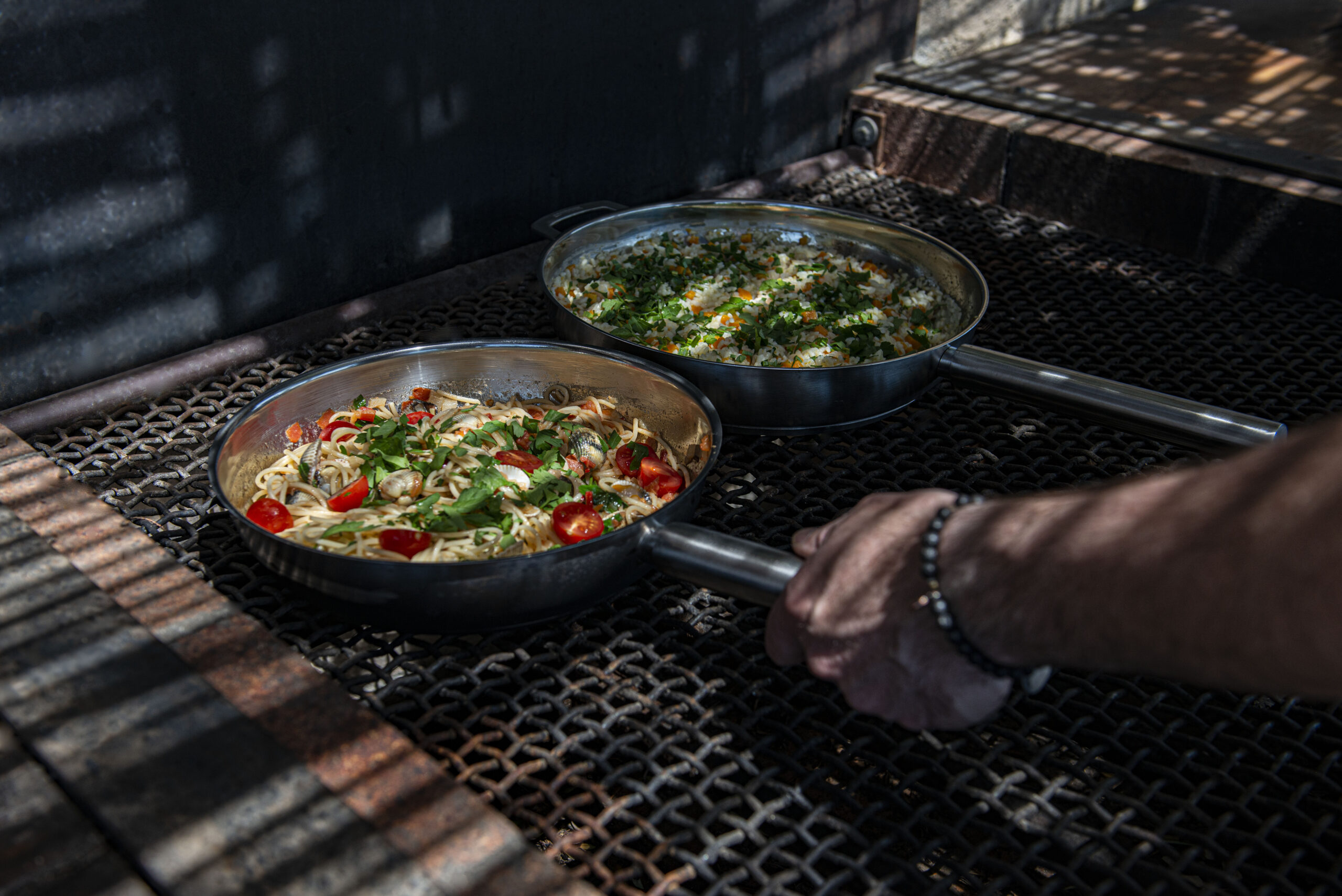
Long-term exposure to PFAS, commonly found in non-stick pans and cookware, can have serious and lasting health effects. These toxic chemicals in cookware can accumulate in the body over time, potentially leading to:
Higher cholesterol levels, increasing the risk of heart-related issues
Hormonal disruptions, affecting reproductive and endocrine health
Liver and thyroid problems, as PFAS may interfere with normal organ function
Increased risk of certain cancers, including kidney and testicular cancer
Being aware of these PFAS health risks allows you to make informed choices about the cookware you use every day. Switching to PFAS-free alternatives, such as ceramic, stainless steel, or cast iron pans, helps minimize exposure to harmful chemicals and supports safer, healthier cooking for you and your family.

To avoid PFAS in your kitchen, it’s important to know what to look for when choosing cookware. Key factors include:
Labeling: Look for clear indications such as “PFAS-free,” “PFOA-free,” or “PTFE-free.” These labels show that the pan does not contain harmful chemicals.
Material: Safe alternatives include stainless steel, cast iron, ceramic, aluminum, or titanium, which naturally do not contain PFAS.
Brand quality: Reputable brands invest in safe non-stick coatings and maintain high manufacturing standards to ensure toxic-free cooking.
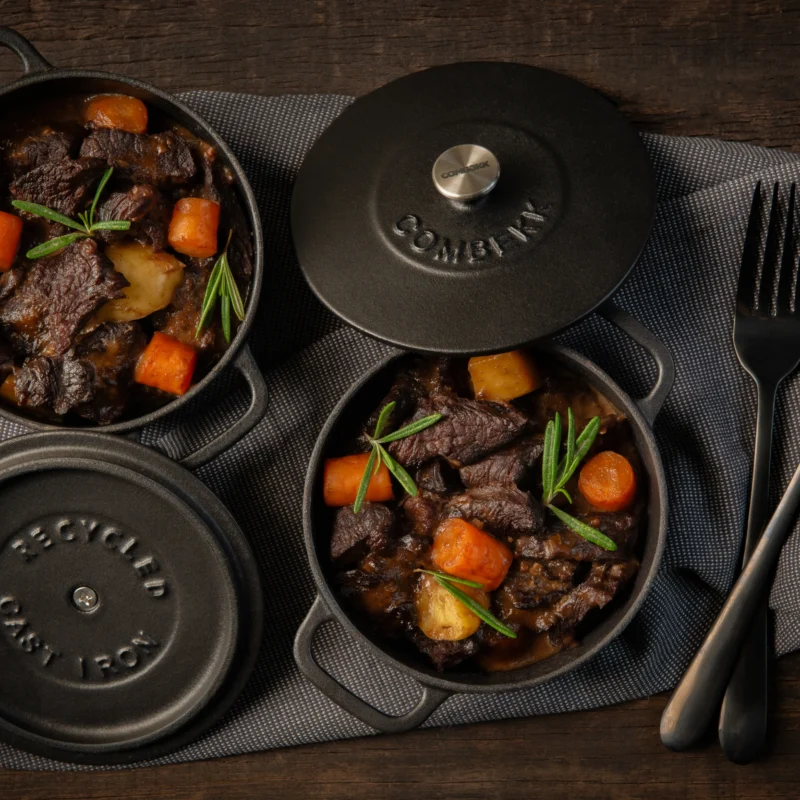
Choosing PFAS-free options ensures your non-stick cookware supports healthy cooking without harmful chemicals. Using trusted brands like Combekk, all pans are PFAS, PFOA, and PTFE-free, giving you peace of mind for a safe, toxic-free kitchen.
Even with a non-stick pan, follow these tips:
Cook at low to medium heat
Avoid metal spatulas
Clean pans gently
Replace damaged non-stick pans
These precautions minimize exposure to any residual PFAS in pans and support safer kitchen practices.
For fully PFAS-free cooking, consider:
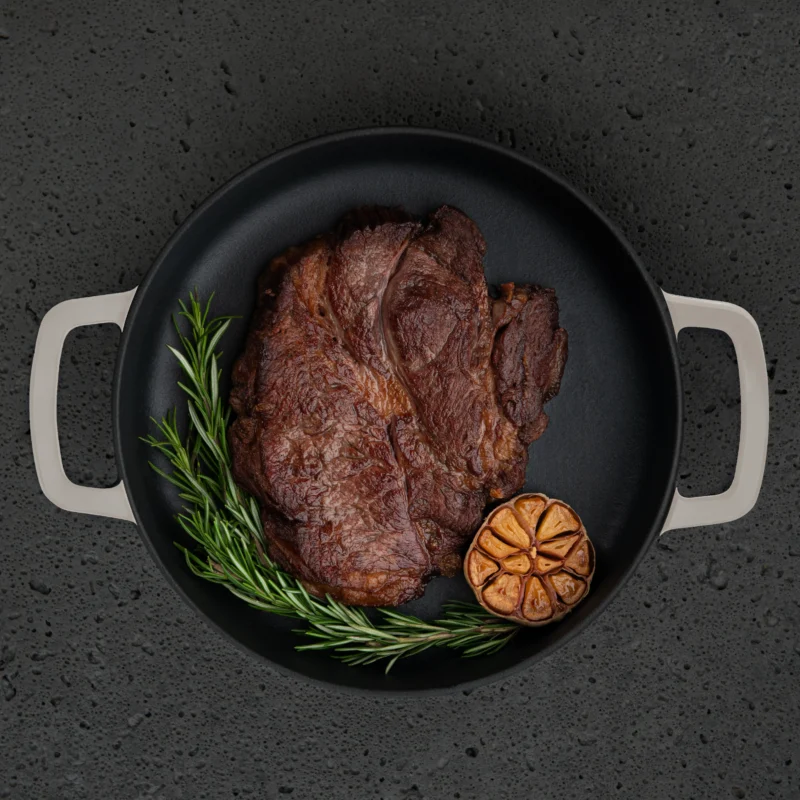
Cast iron pans: Durable and natural
Ceramic non-stick pans: PFAS-free and easy to clean
Stainless steel pans: Ideal for frying and sautéing without chemicals
top 10
Start your healthy cooking today:

Understanding PFAS in pans: what you need to know about safe cooking is key to protecting your health while enjoying non-stick convenience. By choosing PFAS-free pans, maintaining them properly, and using safe cooking practices, you can confidently cook meals that are both delicious and healthy.
Invest in quality, read labels carefully, and make the smart choice: your health and your family’s well-being are more important than temporary non-stick convenience.
Healthy & Safe Cooking

Why Combekk
Combekk designs and produces sustainable cookware made from 100% recycled materials such as old railway tracks, aluminum, and stainless steel — All sustainably made. Since 2015, they have combined circular design with high quality and timeless aesthetics.
Designed to love
Born to make an impact and to change the cookware scene forever. Combekk creates high-quality sustainable cookware. The first and only brand that uses certified recycled materials and without harmfull chemicals in all our categories: